
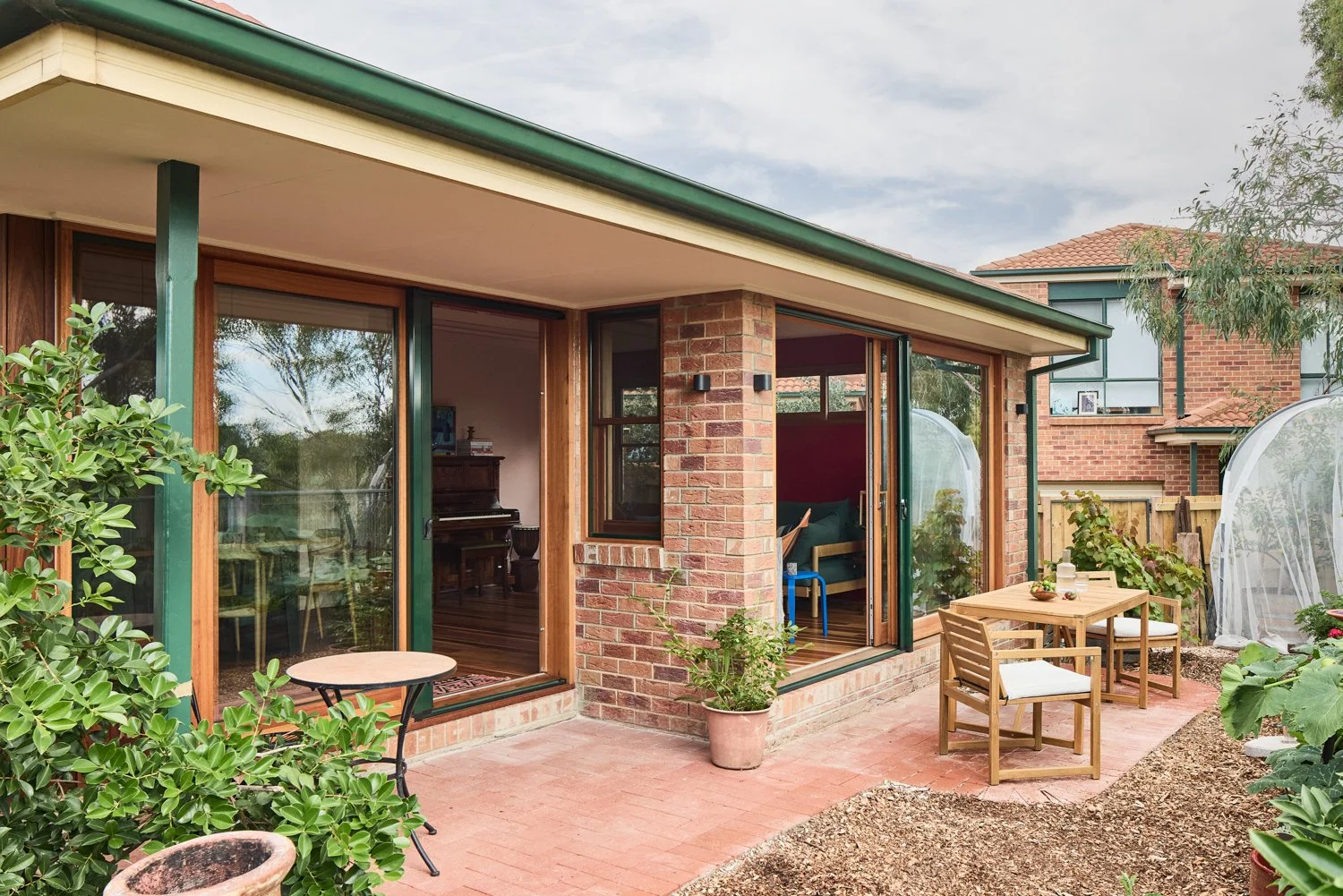
There are many ways to approach sustainability
Many people we speak to want a home that is better designed, sustainable, and considers climate, but feel a little overwhelmed. In Australia, many existing houses struggle with lacklustre build quality, being glorified tents, or are simply old and need a lot of TLC. With high construction costs, it can be hard to know where to start and what is even possible.
But there is more than one way to tackle sustainability, and it isn’t all or nothing when you are renovating and building. Each smart, carefully considered move you do can make a difference. It’s all about working with your site, brief, and budget, and most importantly, what it is that you need. Good design is sustainable design. It’s about being strategic with where your effort and budget will have the greatest impact, and depending on your project, this might mean one or a few of these following things.
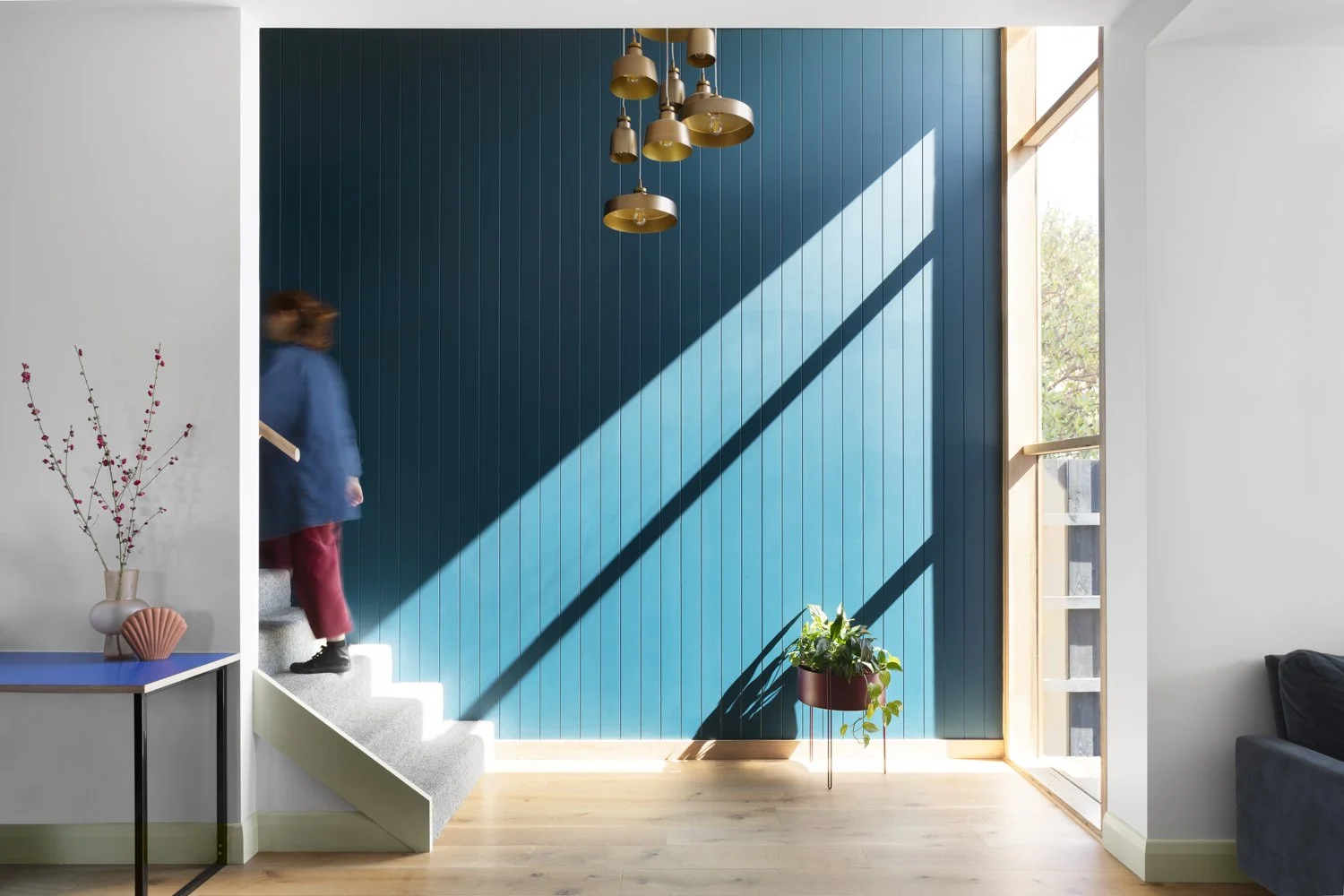
Let there be light
We all know that for the best natural light, the ideal site faces north. Being able to orient living spaces in this direction means that you can make the most of the sunshine in winter and summer.
However, if you are in the city or suburbs, you often don’t have the luxury of a perfect north-facing block. This does not mean that you are destined to live in darkness - quite the opposite. There are many mays to bring natural light into your space even when your orientation is less than textbook ideal.
Here are some ideas.
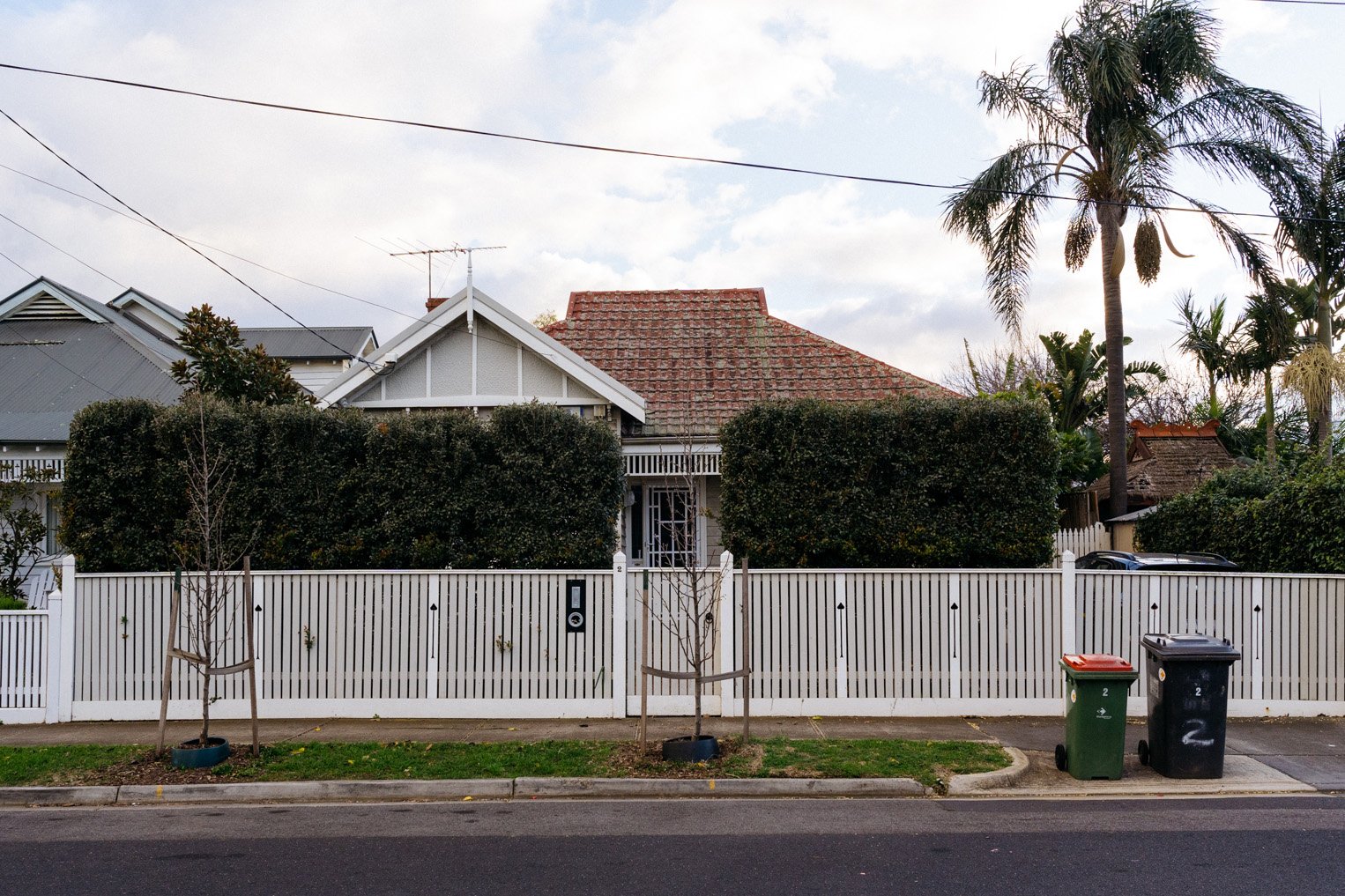
What permits do I need to build or renovate?
So you are building. You know you need a permit (or few). Which ones do you actually need, and what exactly is the difference between them?
In most cases, you will require some form of permit to build. There can sometimes be confusion as to when to get particular ones, why, and what triggers the need for them.
Most residential or small commercial projects will come across two main ones - a planning permit and a building permit. These are separate processes you must go through in order to get permission to complete your project. Not all projects require a planning permit, but almost all will require a building permit. Here are the differences explained: